
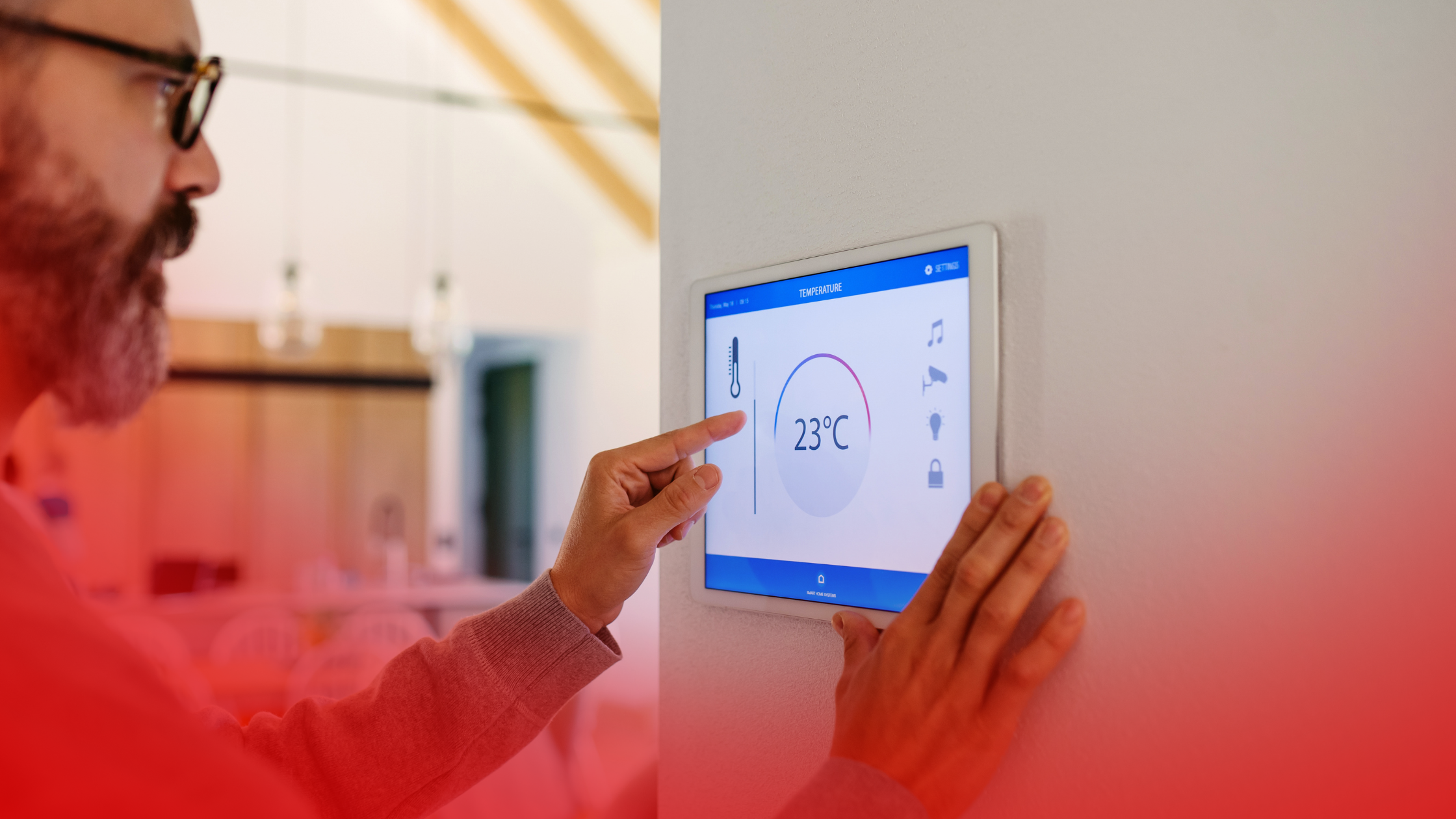
Modern, commercial and smart buildings are no longer static structures.
They are dynamic, interconnected environments driven by automation, data monitoring and intelligent control systems. At the heart of these smart building systems lies a less visible but critically important component: BMS and control cabling. Building Management Systems (BMS) integrate HVAC, lighting, fire safety, energy monitoring and access control into a centralised platform. Control cables enable communication between sensors, panels and automated systems.
Across the UAE and Oman, commercial infrastructure is rapidly transitioning toward smart environments. From high-rise office towers in Dubai to integrated commercial complexes in Muscat, reliable BMS cabling is essential for performance, efficiency and safety.
This guide explains the role of BMS and control cables in smart buildings and why structured planning is essential for long-term infrastructure stability across the GCC.
What Are BMS and Control Cables?
BMS and control cables transmit low-voltage signals between:
- Sensors
- Controllers
- HVAC systems
- Lighting systems
- Energy meters
- Fire alarm systems
- Security platforms
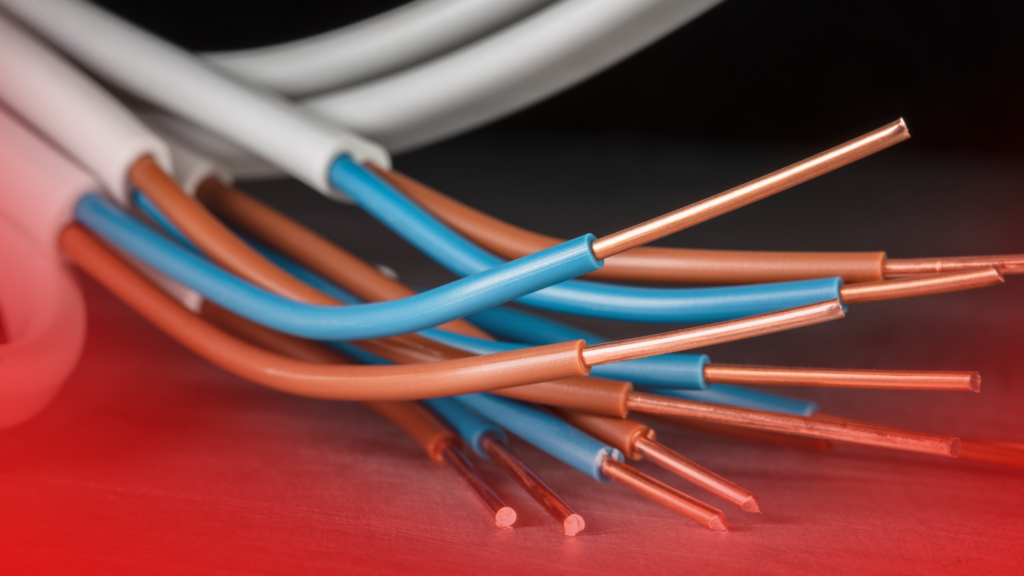
Unlike power cables, control cables focus on accurate signal transmission. Their primary role is ensuring that commands and feedback signals move reliably across the building. In smart commercial infrastructure, signal clarity directly affects building performance.
Explore control cable solutions here.
Why BMS Cabling Is Critical in Smart Buildings
1. Centralised Building Intelligence
Smart buildings rely on central control rooms that monitor:
- Temperature levels
- Energy consumption
- Occupancy patterns
- Ventilation systems
- Emergency alerts
Control cables enable this real-time communication.
Without stable cabling, automated systems may experience:
- Signal interruptions
- Data inaccuracies
- Delayed responses
In commercial environments across the UAE and Oman, where energy efficiency and system coordination are priorities, reliability is essential.
2. Integration with Fire and Safety Systems
Modern infrastructure integrates BMS with fire and safety systems.
For example:
- Fire alarms may trigger ventilation shutdown
- Smoke detection may activate pressurisation systems
- Emergency signals may override standard automation controls
This integration requires compatibility between control cables and safety cabling systems.
3. Energy Efficiency and Sustainability
Across the GCC, energy efficiency standards are becoming more stringent.
Smart buildings rely on control cabling to manage:
- HVAC optimisation
- Lighting automation
- Occupancy-based adjustments
- Energy usage analytics
Accurate signal transmission ensures that sustainability systems function effectively.
Environmental Considerations in the GCC
Commercial buildings in the UAE and Oman face unique environmental challenges:
- High ambient temperatures
- Dust exposure
- Long cable runs in high-rise structures
- Electrical interference in dense installations
Control cables must be selected for durability and stable performance in these conditions.
Poor shielding or inadequate insulation may lead to:
- Signal distortion
- System malfunctions
- Increased maintenance
When planning BMS systems in the GCC, environmental resilience must be factored into cable selection.
Shielding and Signal Integrity in Control Cables
Control cables often operate in proximity to:
- Power cables
- Data cables
- Mechanical equipment
- Elevator systems
This proximity increases the risk of electromagnetic interference.
Shielded control cables provide:
- Reduced interference
- Stable signal quality
- Improved system reliability
For buildings integrating structured cabling systems, interference management becomes even more important.
BMS Cabling in High-Rise Commercial Towers
In high-rise developments across Dubai and Abu Dhabi:
- Vertical cable routing is extensive
- Long signal runs are common
- Equipment rooms span multiple floors
Control cables must maintain signal stability over extended distances.
Improper selection can lead to:
- Delayed system responses
- Inaccurate monitoring data
- Integration failures
Infrastructure projects require long-term reliability, not temporary performance.
Integration with LAN and Data Networks
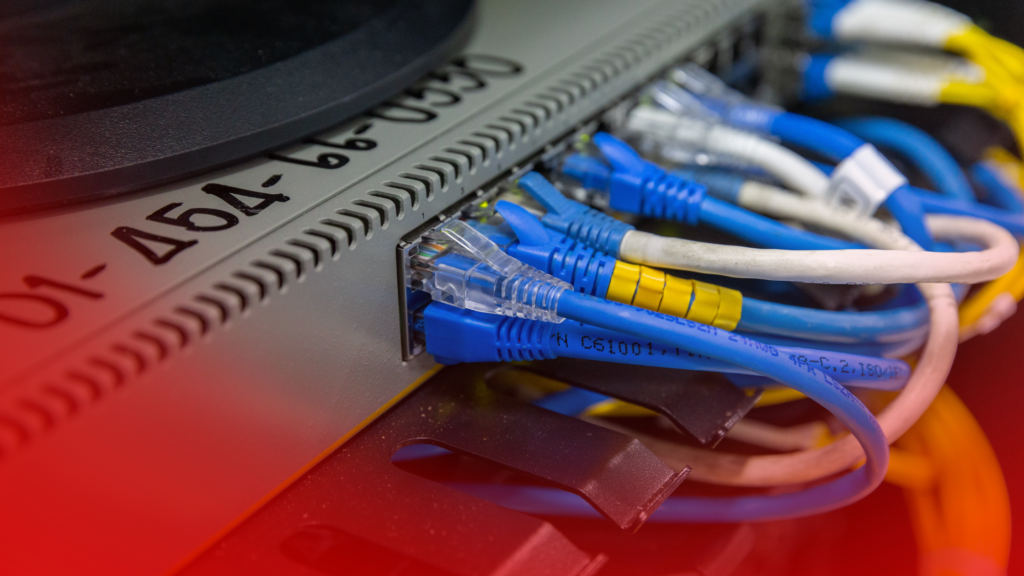
Smart buildings increasingly rely on both traditional control cabling and data-based systems.
For example:
- LAN networks support IP-based control systems
- Sensors may transmit data through structured cabling
- Control panels may integrate with network infrastructure
Understanding the relationship between LAN cables and BMS cables is essential.
Explore LAN infrastructure here.
Common Mistakes in BMS Cabling Selection
- Ignoring shielding requirements
- Overlooking future scalability
- Mixing incompatible cable types
- Underestimating interference sources
- Failing to integrate with structured cabling design
Smart infrastructure requires structured planning from the early stages of development.
BMS Cabling in Oman and Emerging GCC Markets
Commercial infrastructure development in Oman continues to expand across:
- Business districts
- Transport hubs
- Industrial zones
- Mixed-use developments
As automation increases, control cabling systems must be designed for scalability and durability.
Smart infrastructure investments demand long-term operational stability.
Future Trends in Smart Building Infrastructure
Across the GCC, smart building development is evolving toward:
- IoT-based monitoring
- Predictive maintenance
- Energy analytics
- Centralised digital dashboards
Control cables remain foundational even as wireless and IP-based technologies expand.
Reliable wired infrastructure ensures:
- Stable baseline communication
- Reduced latency
- Secure signal transmission
BMS and control cables are fundamental to the functionality of smart buildings. Across commercial infrastructure in the UAE, Oman and the wider GCC, automation systems rely on stable, interference-resistant and scalable control cabling.
As infrastructure becomes more integrated and data-driven, selecting technically sound BMS cables ensures long-term performance, operational efficiency and system coordination.
Smart buildings may be driven by software and automation, but their stability depends on reliable physical infrastructure.
If you are a partner or an end customer who is looking for smart cabling, you can get in touch with us here.